anywyse
AI-Powered Education Platform
AI-Powered Education Platform
overview
introduction
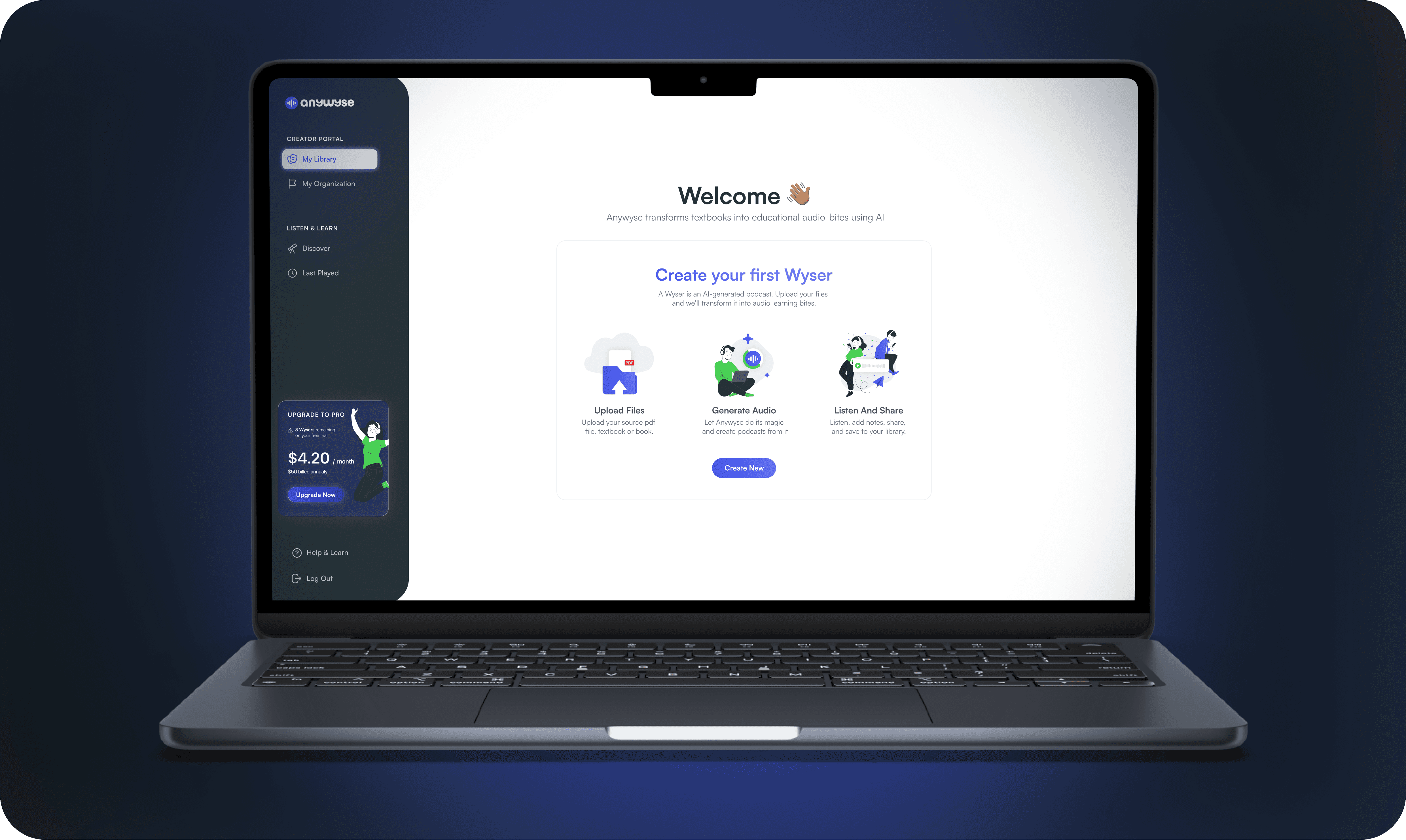
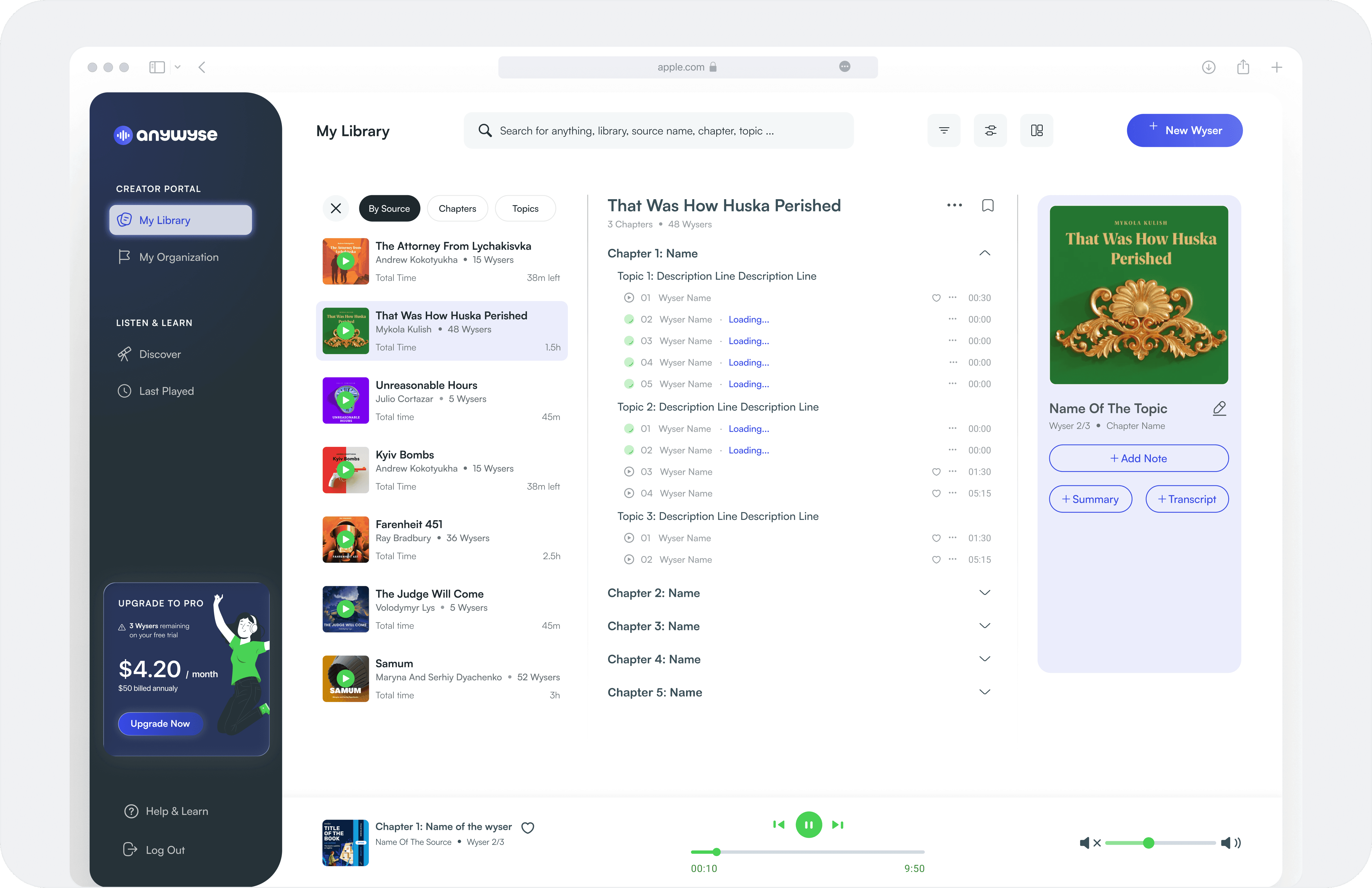
Developed in collaboration with the University of Amsterdam, Anywyse leverages neuroscience and AI to help students - including those with ADHD and dyslexia - study more effectively.
Developed in collaboration with the University of Amsterdam, Anywyse leverages neuroscience and AI to help students - including those with ADHD and dyslexia - study more effectively.
our part
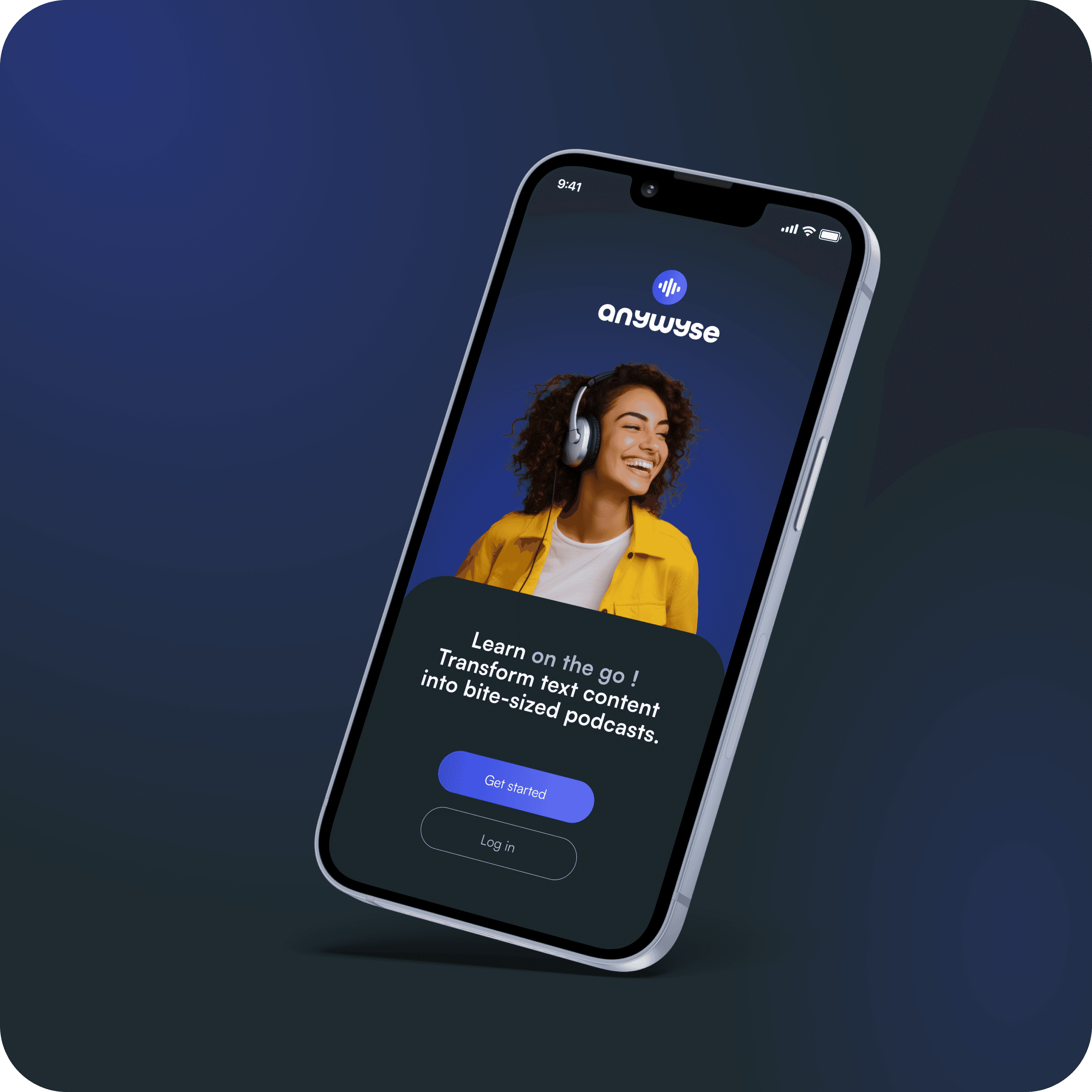
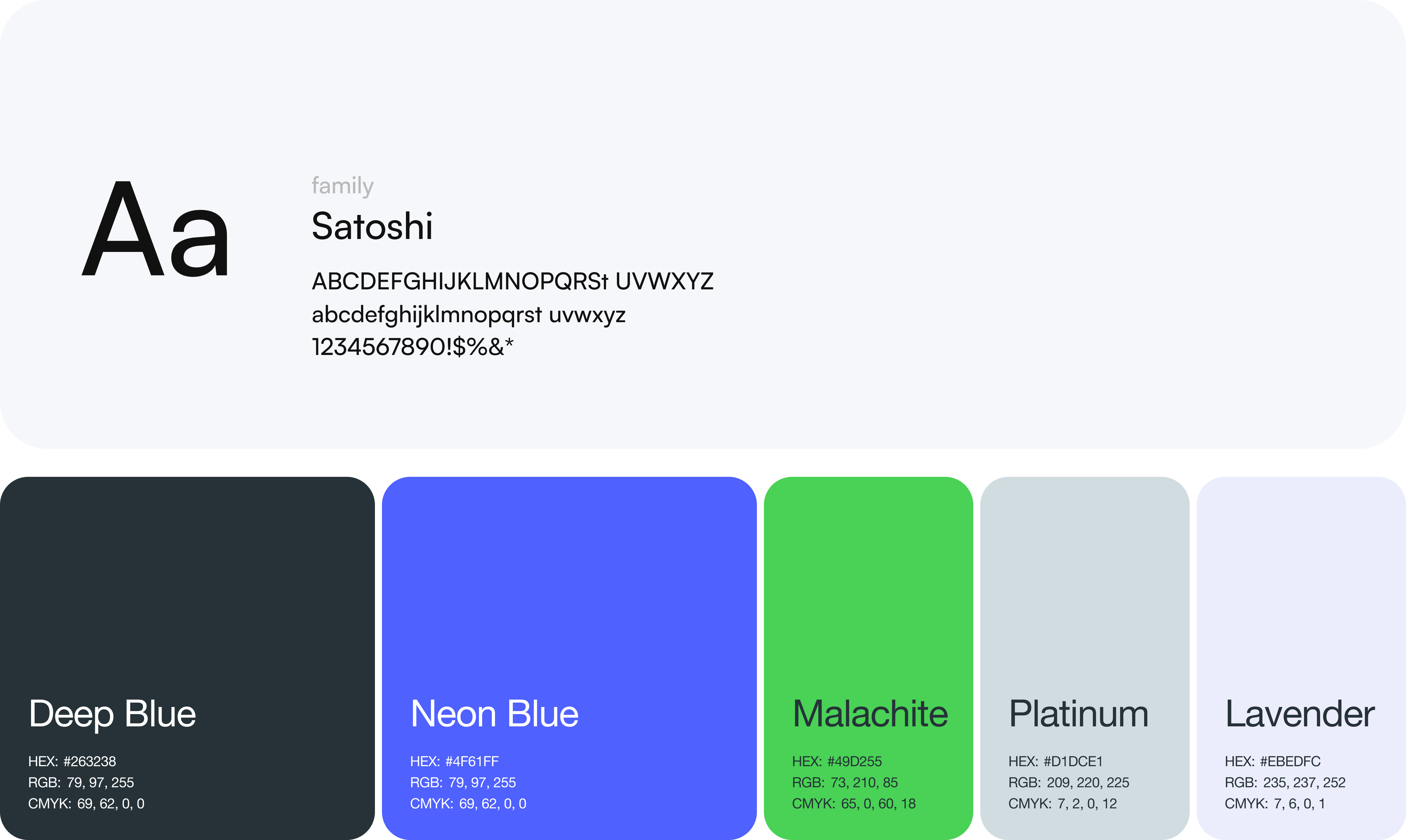
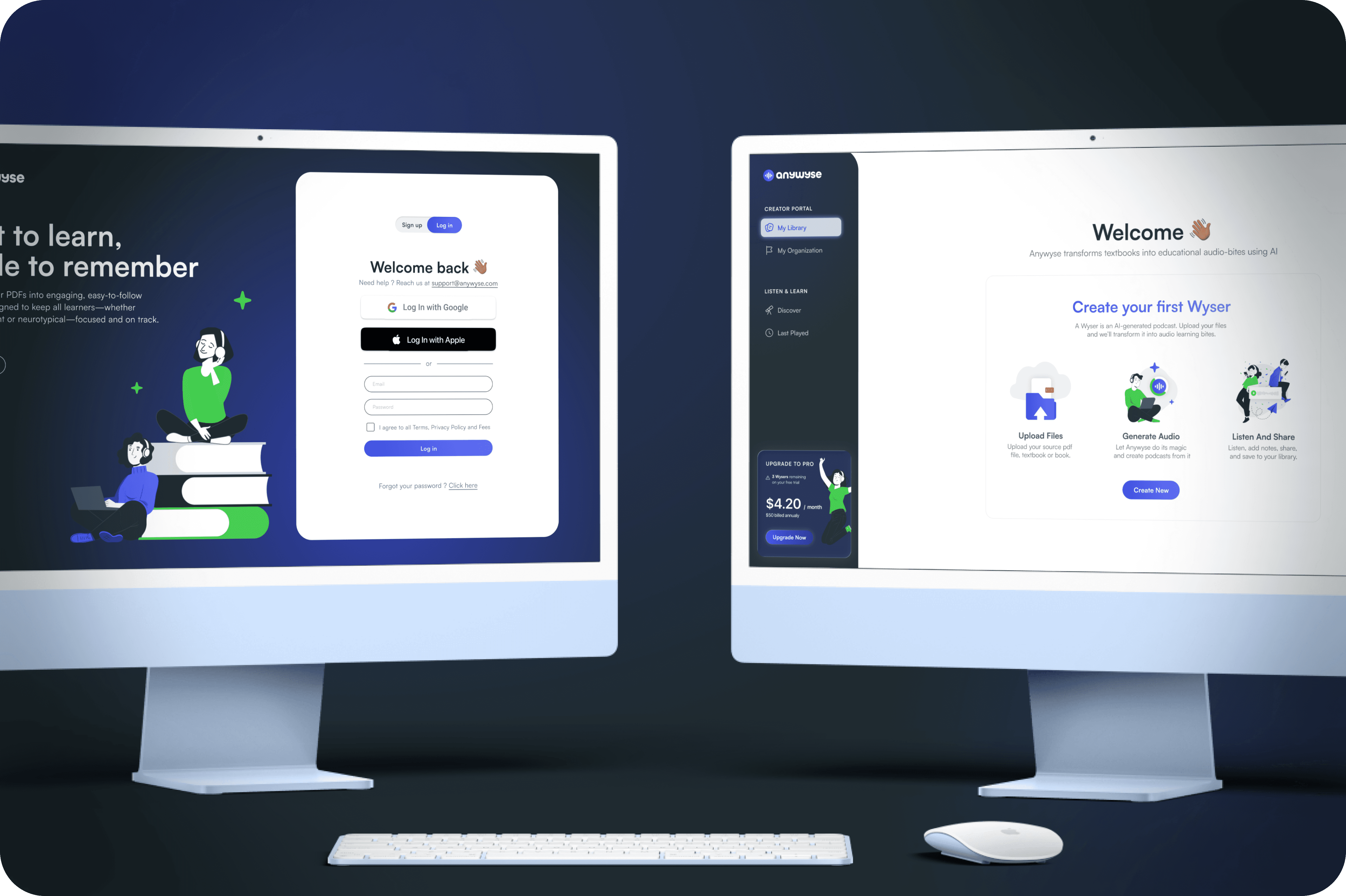
We partnered with Anywyse to bring their AI-powered audio learning platform to life, crafting a brand and MVP product designed to resonate with users and inspire confidence in investors. From identity and visual language to UX research and interface design, we defined how Anywyse looks, feels, and performs at launch.
We partnered with Anywyse to bring their AI-powered audio learning platform to life, crafting a brand and MVP product designed to resonate with users and inspire confidence in investors. From identity and visual language to UX research and interface design, we defined how Anywyse looks, feels, and performs at launch.
my role
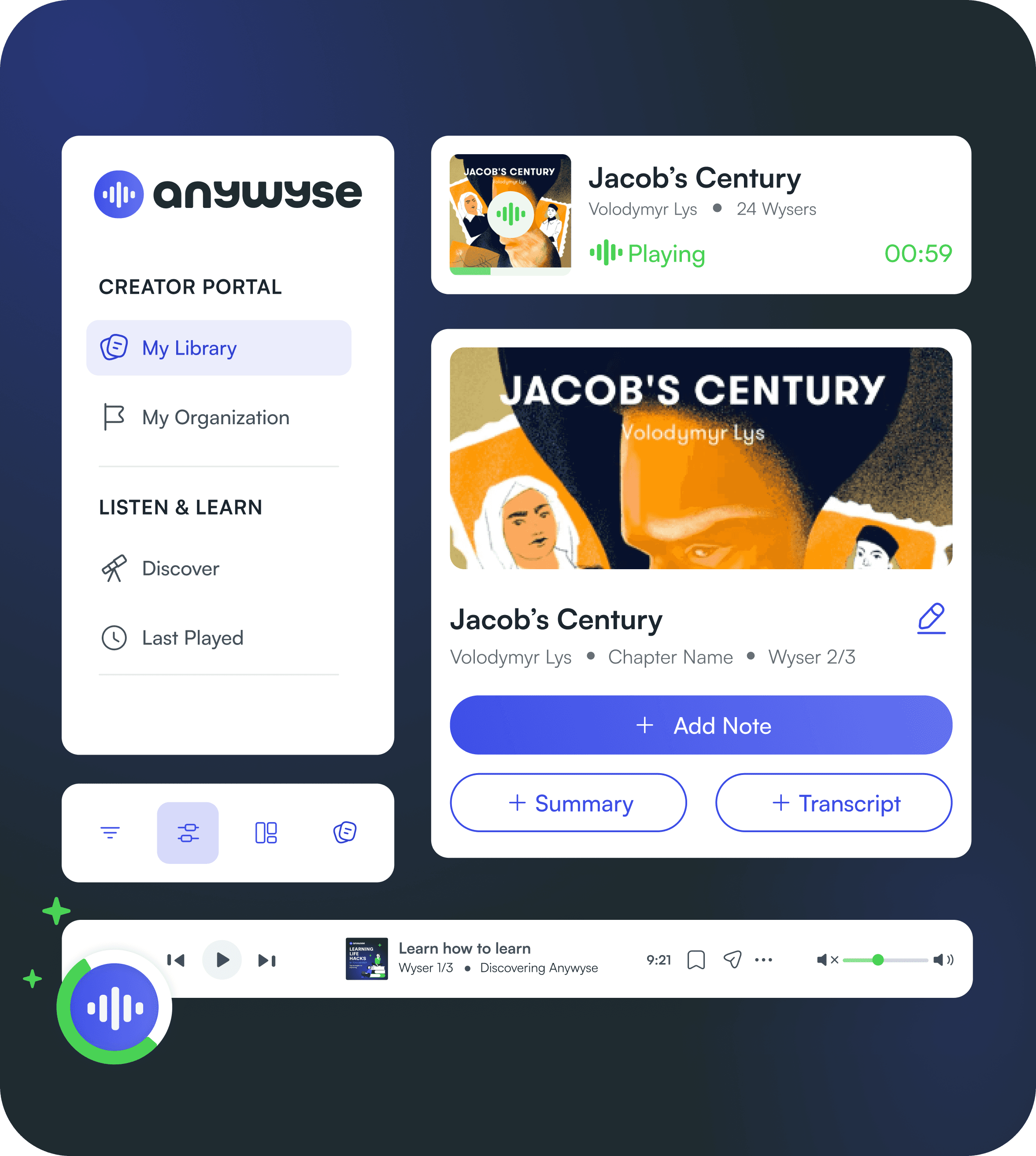
As the Product Designer on Anywyse, I led the end-to-end UX and UI design of the MVP web app. My responsibilities included defining the problem space, setting product goals, conducting competitor and UX research, shaping user flows, designing wireframes and high-fidelity screens, and building a scalable component library. We worked closely with the founders to translate a science-driven concept into an intuitive, usable product.
As the Product Designer on Anywyse, I led the end-to-end UX and UI design of the MVP web app. My responsibilities included defining the problem space, setting product goals, conducting competitor and UX research, shaping user flows, designing wireframes and high-fidelity screens, and building a scalable component library. We worked closely with the founders to translate a science-driven concept into an intuitive, usable product.
problem
Students often struggle to stay focused, motivated, and consistent with their study habits - especially those with ADHD or dyslexia. While Anywyse’s audio technology is scientifically proven to improve engagement,
Students often struggle to stay focused, motivated, and consistent with their study habits - especially those with ADHD or dyslexia. While Anywyse’s audio technology is scientifically proven to improve engagement,
The challenge was turning this complex, research-based solution into a clear, accessible digital experience.
The challenge was turning this complex, research-based solution into a clear, accessible digital experience.
The product needed to explain its value quickly, guide users into forming a habit, and reduce friction in moments where attention is limited.
The product needed to explain its value quickly, guide users into forming a habit, and reduce friction in moments where attention is limited.
goals
user goals
Help students stay focused and motivated during study sessions
Help students stay focused and motivated during study sessions
Make the experience simple, calming, and easy to understand
Make the experience simple, calming, and easy to understand
Support diverse learning needs without overwhelming users
Support diverse learning needs without overwhelming users
Encourage consistent usage and habit formation
Encourage consistent usage and habit formation
business goals
Clearly communicate the scientific credibility and value of the product
Clearly communicate the scientific credibility and value of the product
Validate the product concept through an MVP
Validate the product concept through an MVP
Increase engagement and retention in early users
Increase engagement and retention in early users
Build a scalable foundation for future features and growth
Build a scalable foundation for future features and growth
process
user interviews
Due to the early stage of the product, we did not conduct independent user interviews during this phase. Instead, our design decisions were informed by insights shared by the Anywyse founders, whose product vision originated from a personal pain point and was supported by academic research conducted in collaboration with the University of Amsterdam.
Due to the early stage of the product, we did not conduct independent user interviews during this phase. Instead, our design decisions were informed by insights shared by the Anywyse founders, whose product vision originated from a personal pain point and was supported by academic research conducted in collaboration with the University of Amsterdam.
These inputs provided a strong understanding of students’ challenges around focus, motivation, and information overload, and helped ground the MVP in real user needs from day one.
These inputs provided a strong understanding of students’ challenges around focus, motivation, and information overload, and helped ground the MVP in real user needs from day one.
“I open my study materials with good intentions, but after a few minutes I lose focus and feel overwhelmed.”
“I open my study materials with good intentions, but after a few minutes I lose focus and feel overwhelmed.”
“Reading long PDFs is exhausting - I wish I could absorb the material without staring at a screen the whole time.”
“Reading long PDFs is exhausting - I wish I could absorb the material without staring at a screen the whole time.”
“I struggle to stay consistent with studying. Even when tools are helpful, I forget to come back to them.”
“I struggle to stay consistent with studying. Even when tools are helpful, I forget to come back to them.”
market research
To better understand navigation best practices, I conducted market research into both direct competitors (like Jobber, Housecall Pro, and ServiceTitan) and broader SaaS platforms (such as HubSpot, Monday, and Salesforce).
To better understand navigation best practices, I conducted market research into both direct competitors (like Jobber, Housecall Pro, and ServiceTitan) and broader SaaS platforms (such as HubSpot, Monday, and Salesforce).
I explored how they structure their navigation, where commonly-used features are placed, and how they encourage discoverability. I also reviewed various Feature Center and Marketplace experiences to learn how products handle activation flows, personalization, and quick access tools like pinning or favoriting features. here are some key insights:
I explored how they structure their navigation, where commonly-used features are placed, and how they encourage discoverability. I also reviewed various Feature Center and Marketplace experiences to learn how products handle activation flows, personalization, and quick access tools like pinning or favoriting features. here are some key insights:
Short-form content lowers the entry barrier, but needs clear framing
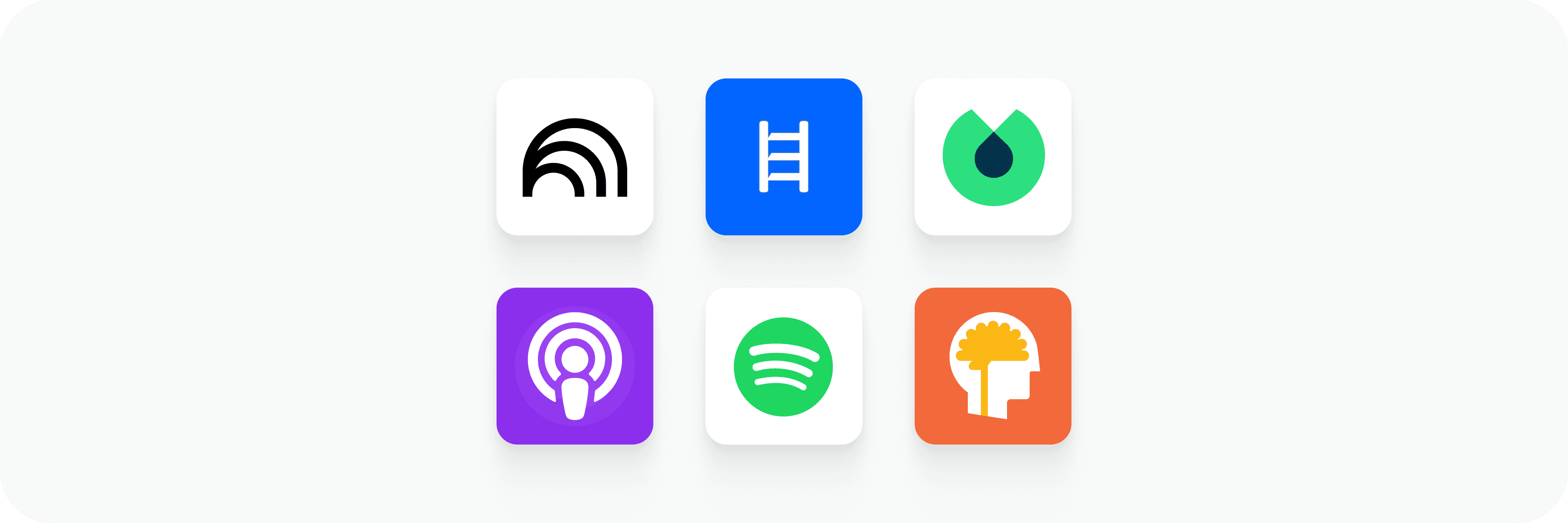
Products like Headway, Blinkist, and InPodcast.ai succeed by offering bite-sized content, but they clearly frame what the user will gain before playback starts. Without strong context or intent-setting, short audio risks feeling disposable rather than purposeful.
Products like Headway, Blinkist, and InPodcast.ai succeed by offering bite-sized content, but they clearly frame what the user will gain before playback starts. Without strong context or intent-setting, short audio risks feeling disposable rather than purposeful.
Personalization drives engagement - but too much choice creates friction
NotebookLM and Spotify demonstrate the power of personalization through recommendations and smart defaults. However, platforms with large content libraries often overwhelm users at the start. Simpler products like Lumosity guide users into a predefined path before gradually introducing choice.
NotebookLM and Spotify demonstrate the power of personalization through recommendations and smart defaults. However, platforms with large content libraries often overwhelm users at the start. Simpler products like Lumosity guide users into a predefined path before gradually introducing choice.
Habit-building relies more on feedback than content volume
Lumosity and Spotify encourage repeat usage through progress indicators, streaks, and subtle feedback loops rather than sheer content quantity. In contrast, platforms that lack visible progress or reinforcement feel easier to abandon.
Lumosity and Spotify encourage repeat usage through progress indicators, streaks, and subtle feedback loops rather than sheer content quantity. In contrast, platforms that lack visible progress or reinforcement feel easier to abandon.
user flow
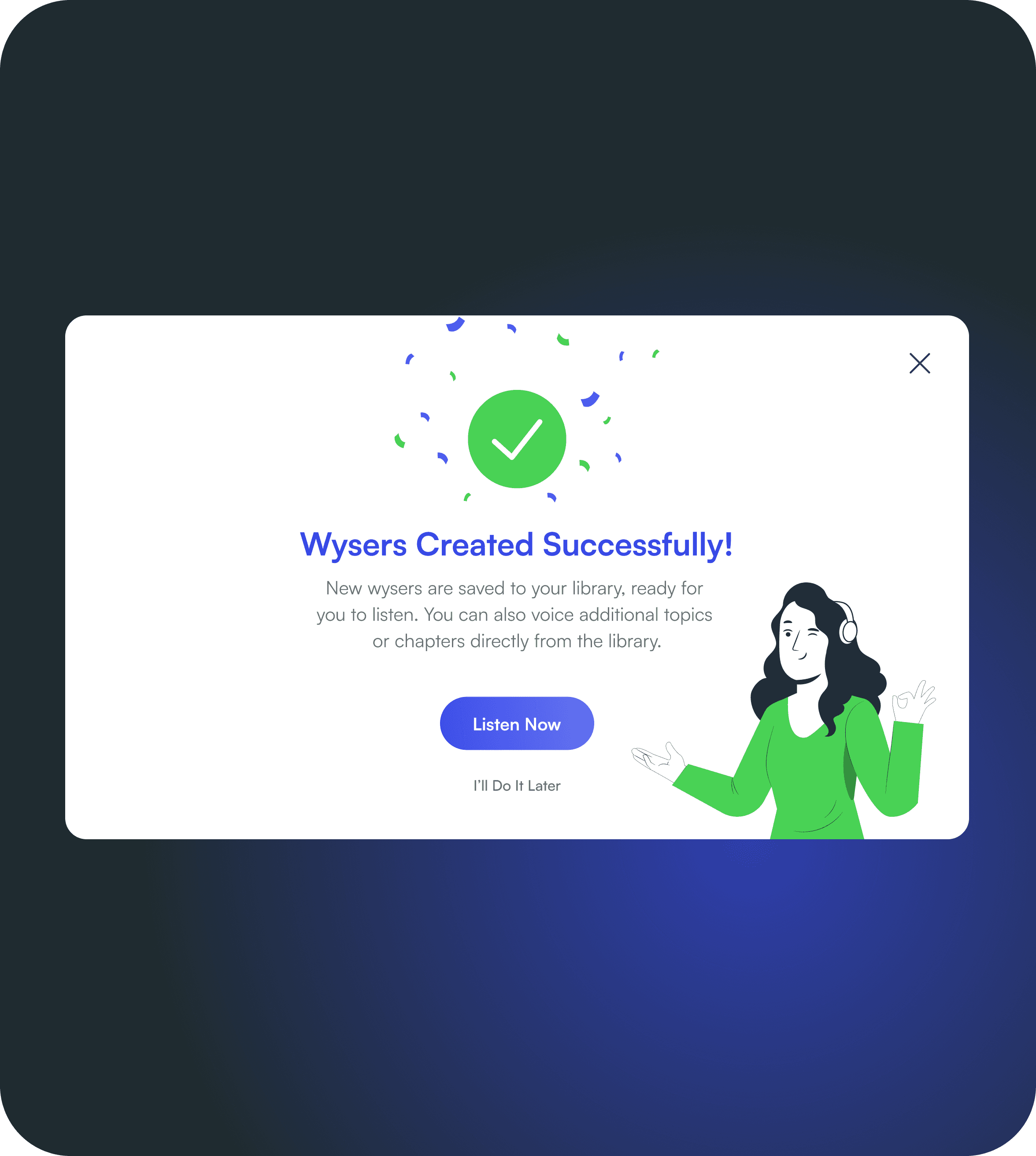
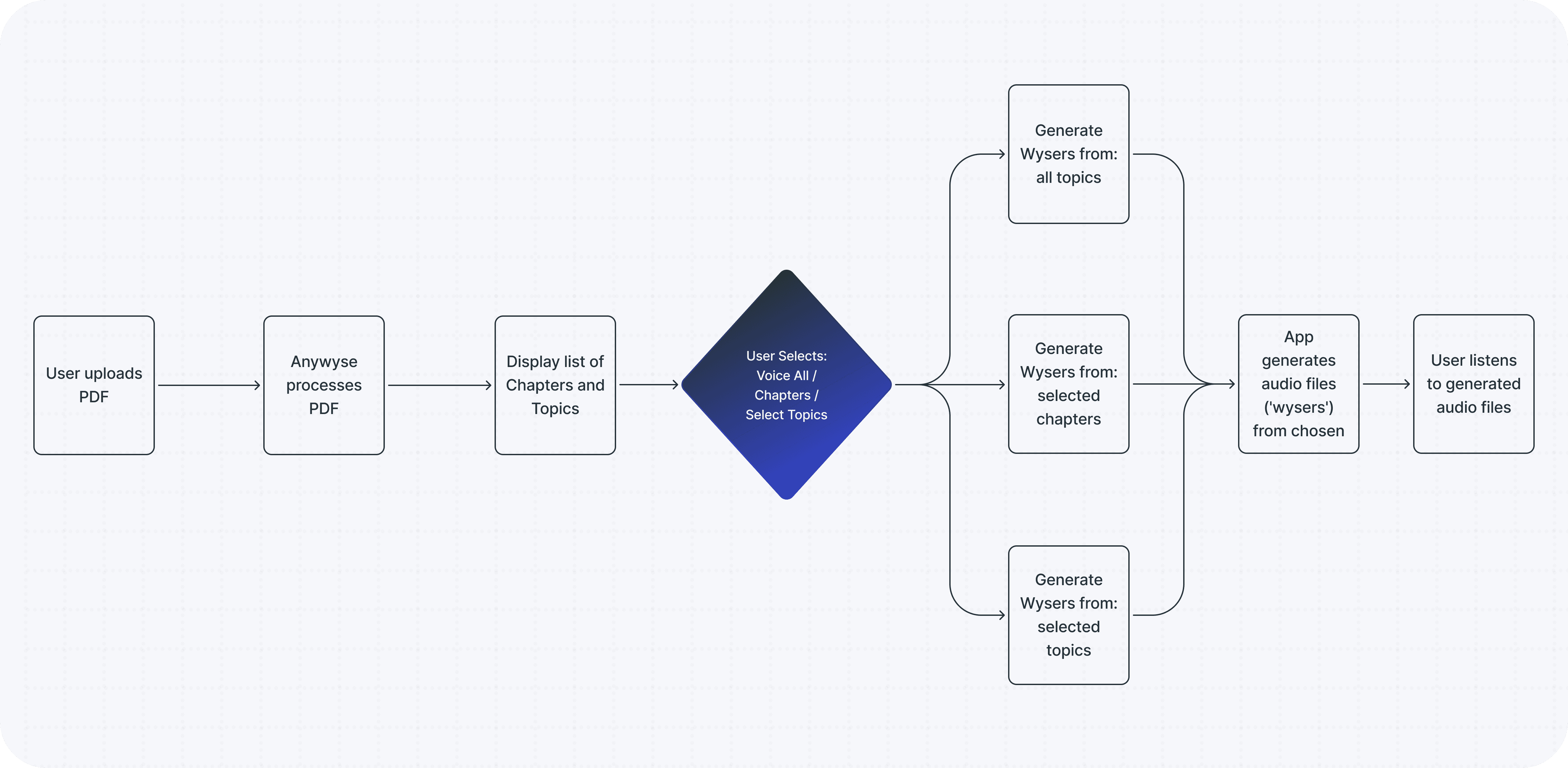
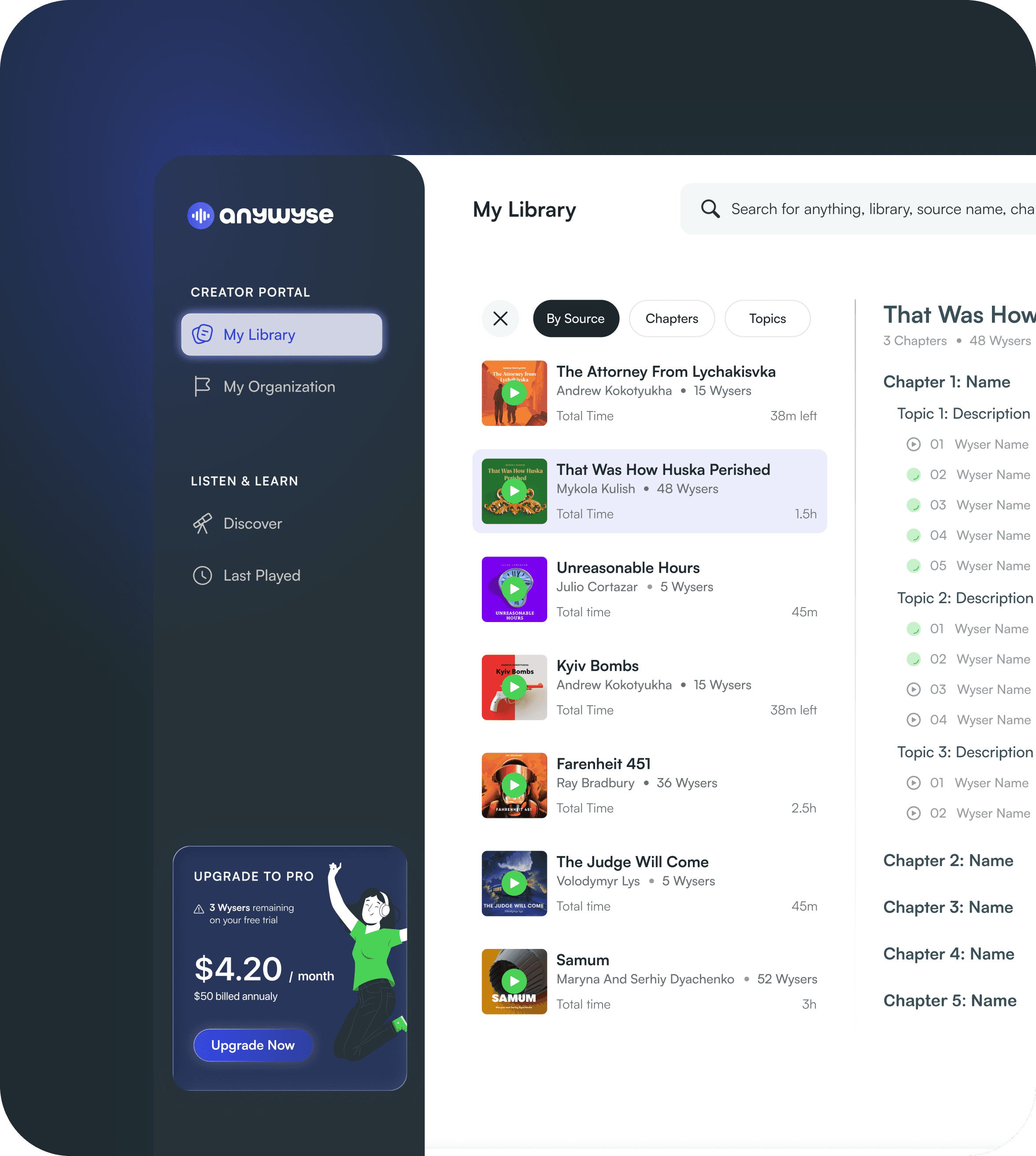
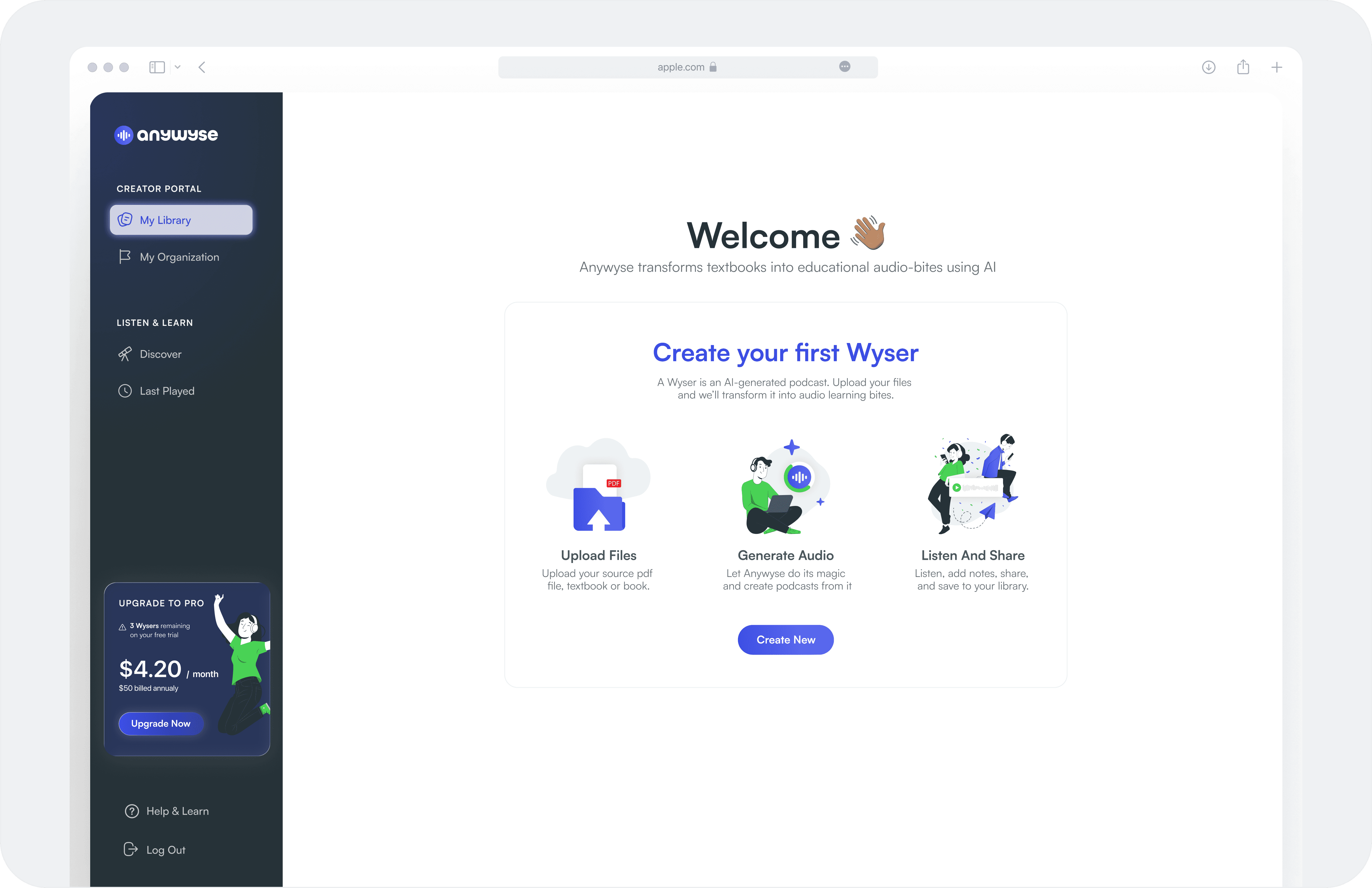
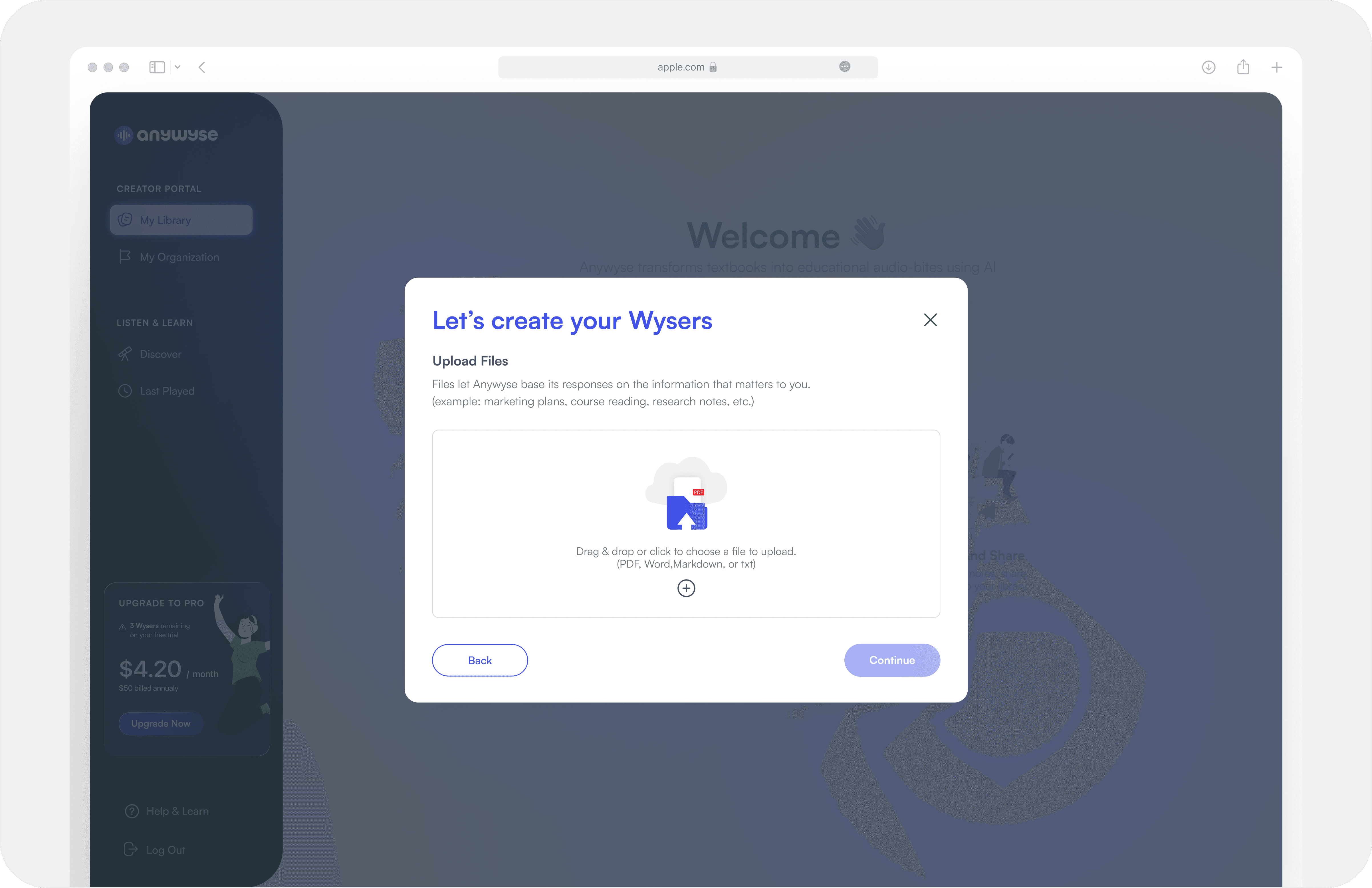
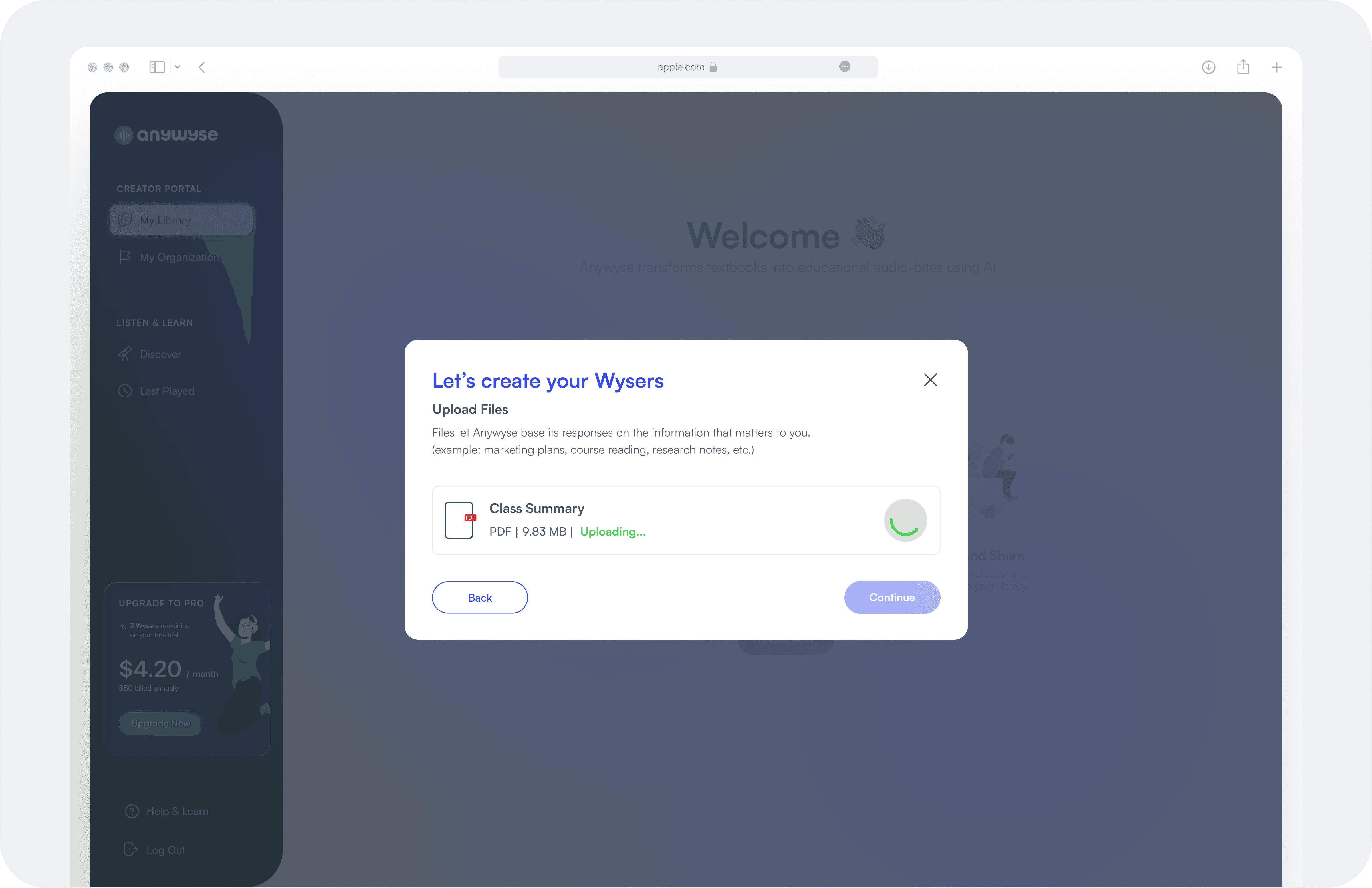
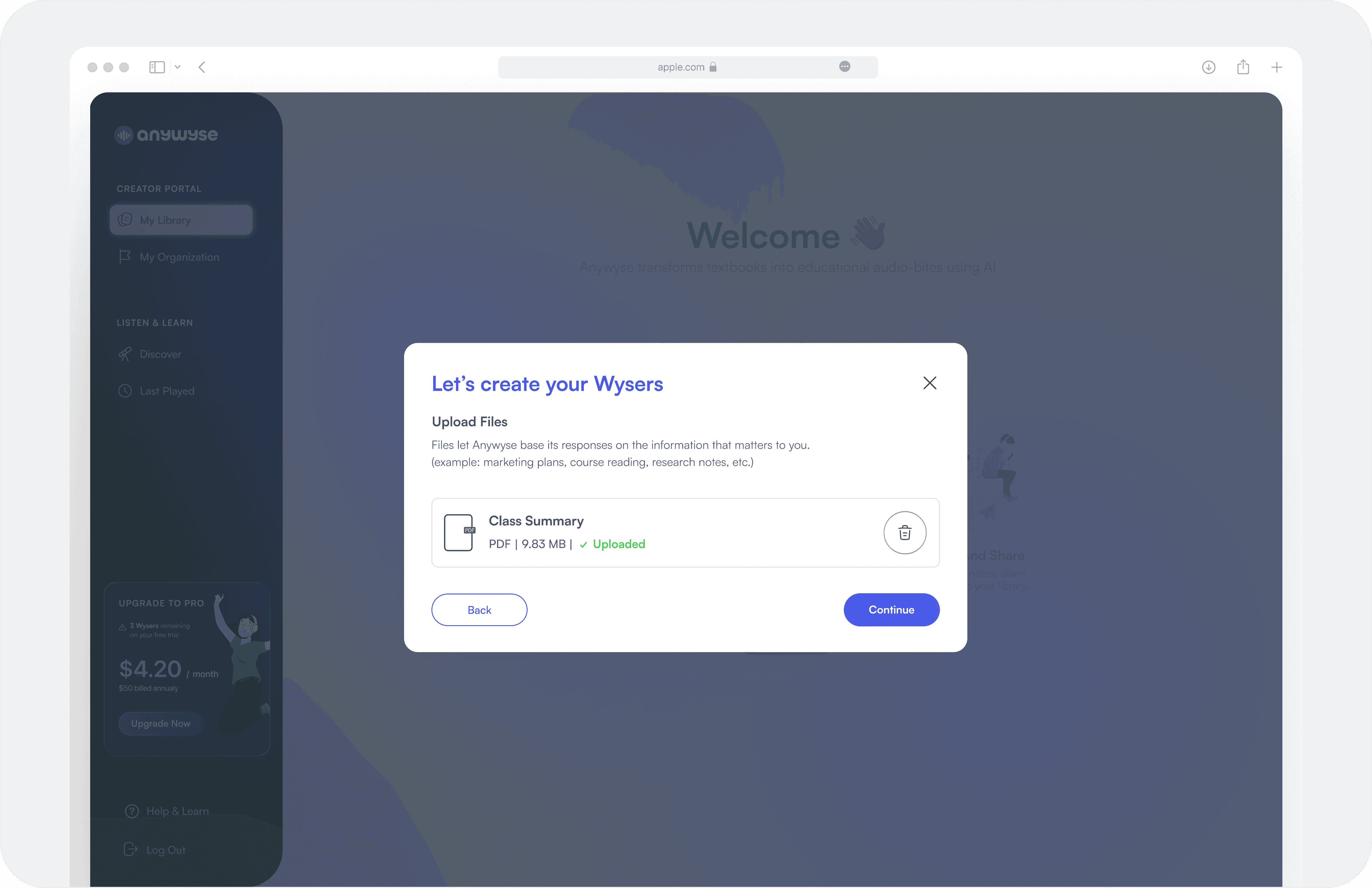
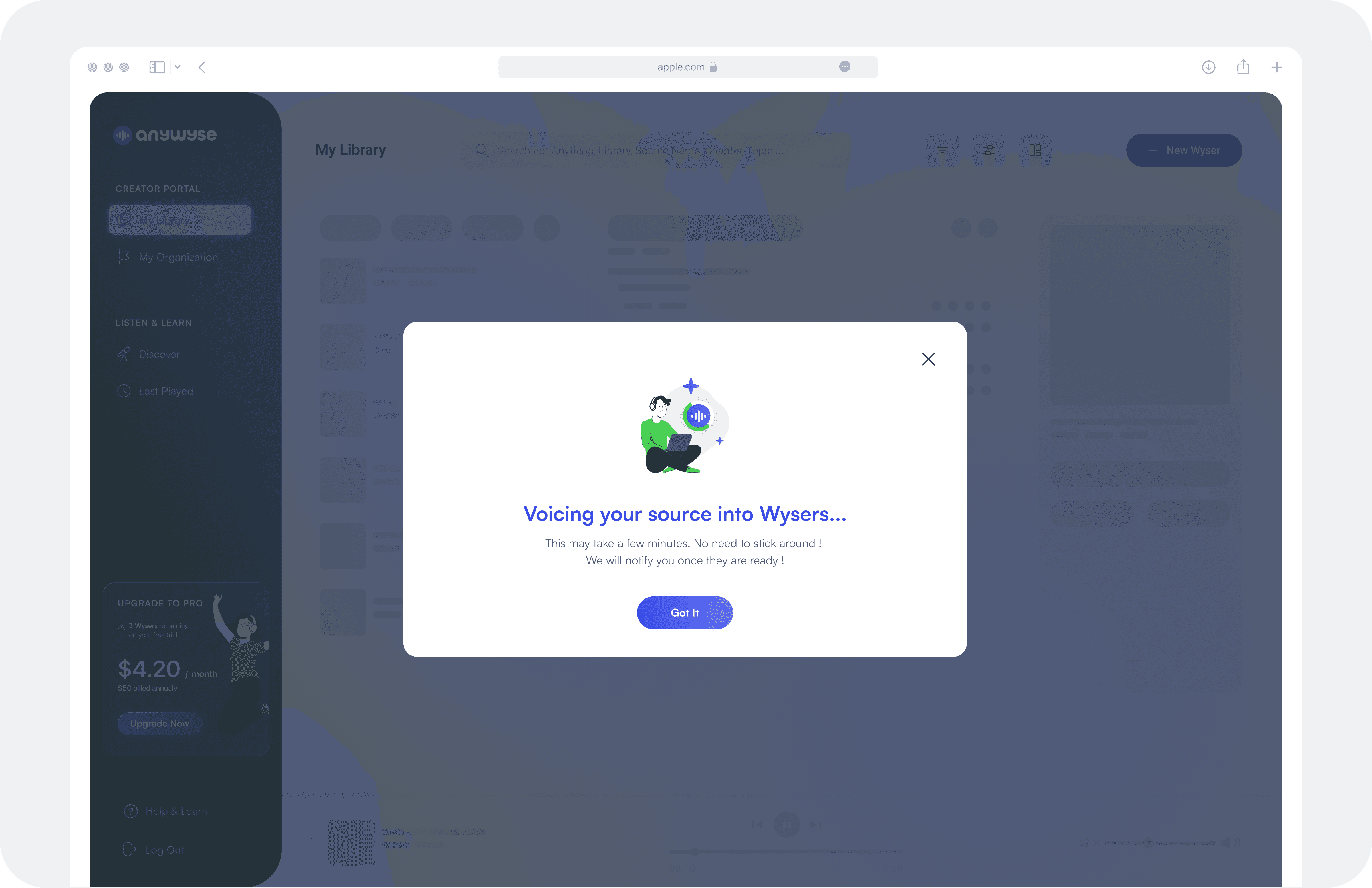
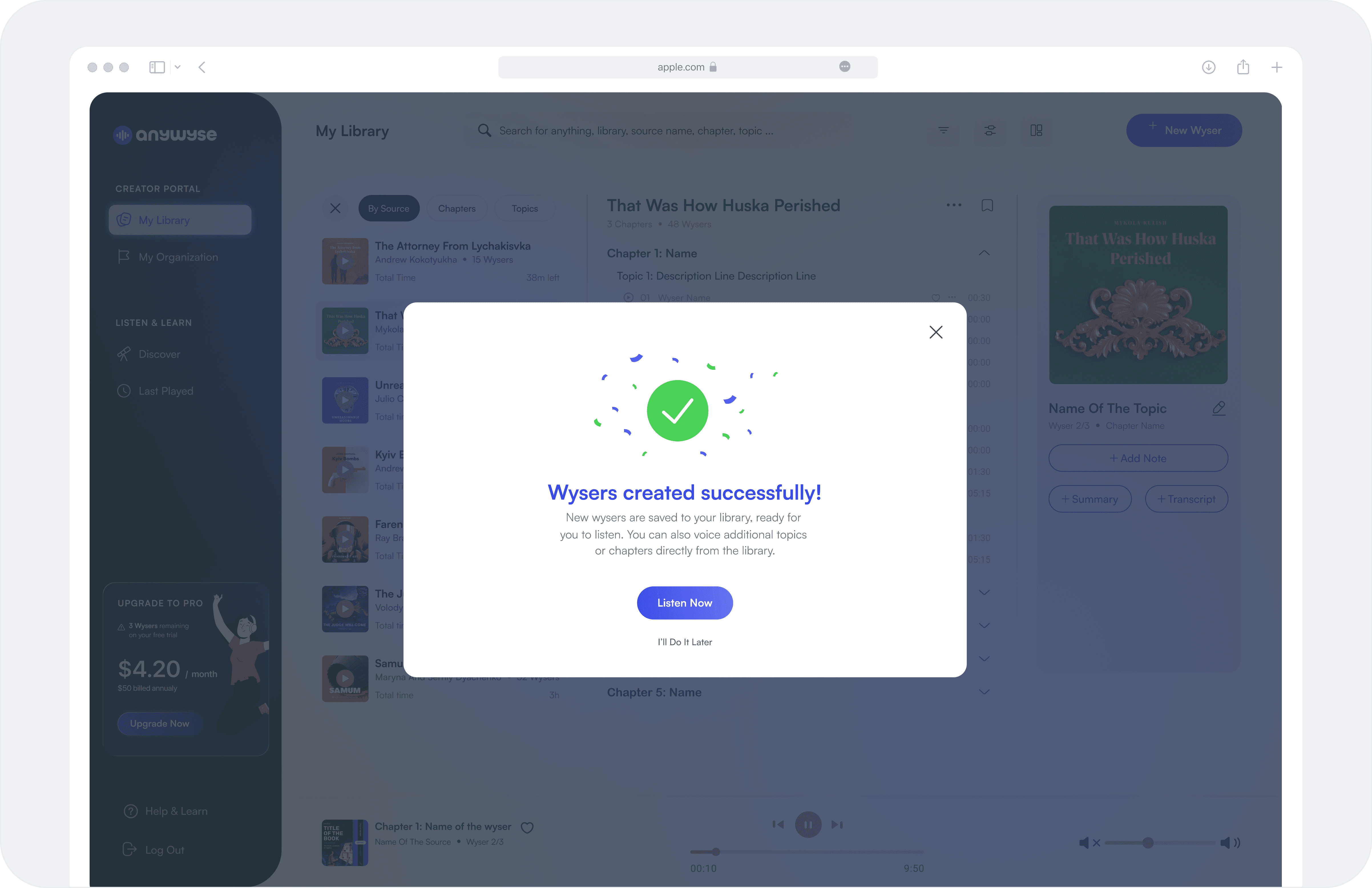
The MVP flow centers around a single core action: transforming study materials into an AI-generated audio experience. Users begin by uploading a document (PDF), which the product then processes into a “Wyser”- a mini-podcast broken into short, listenable episodes.
The MVP flow centers around a single core action: transforming study materials into an AI-generated audio experience. Users begin by uploading a document (PDF), which the product then processes into a “Wyser”- a mini-podcast broken into short, listenable episodes.
The flow was intentionally designed to validate this core value loop - upload → generate → listen → reinforce learning while keeping the experience simple and accessible.
The flow was intentionally designed to validate this core value loop - upload → generate → listen → reinforce learning while keeping the experience simple and accessible.
Future formats (such as audio files and additional document types) were considered in the structure, but intentionally scoped out to maintain MVP focus.
Future formats (such as audio files and additional document types) were considered in the structure, but intentionally scoped out to maintain MVP focus.
design
see other projects
see other projects
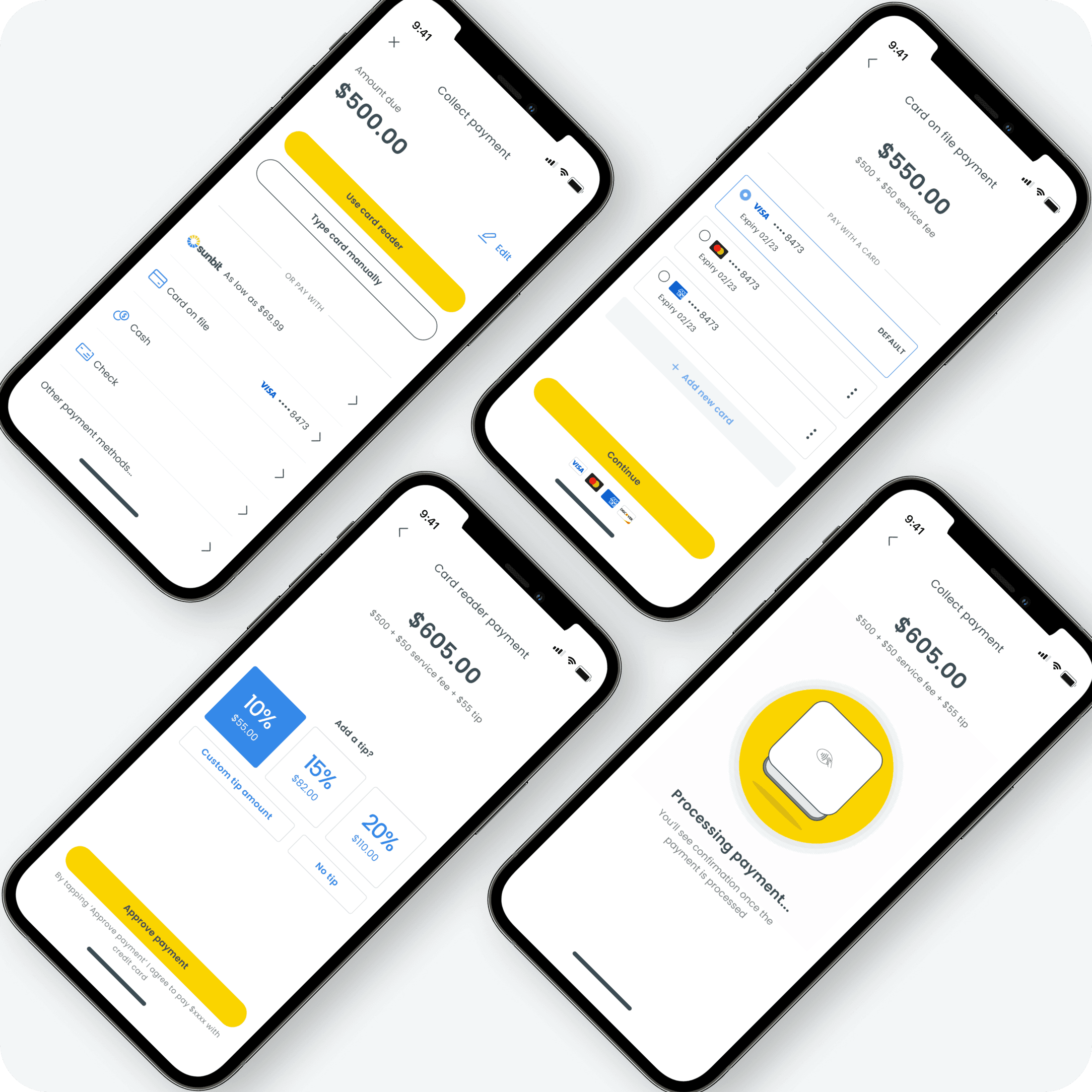
workiz
mobile tips revamp
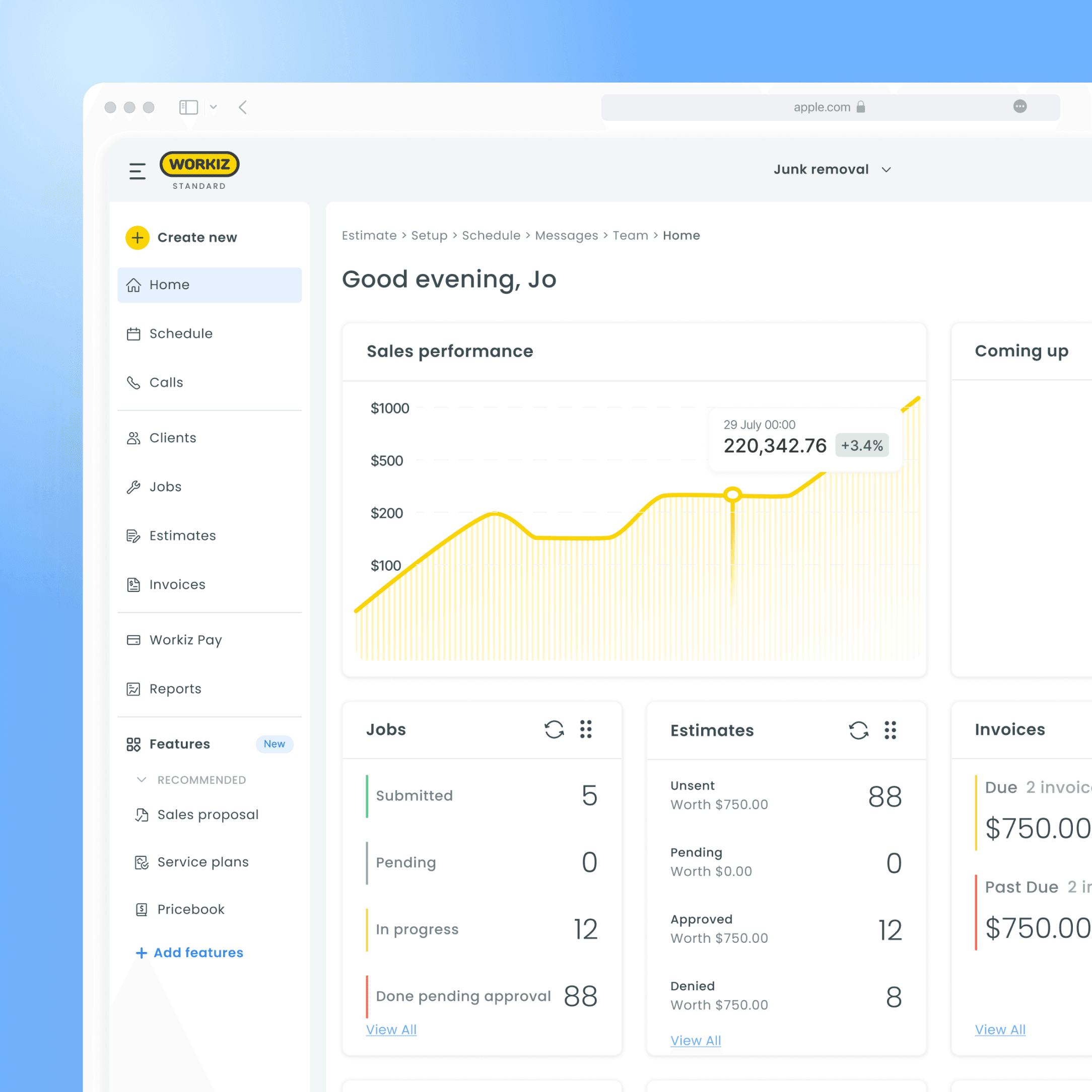
workiz
product navigation redesign
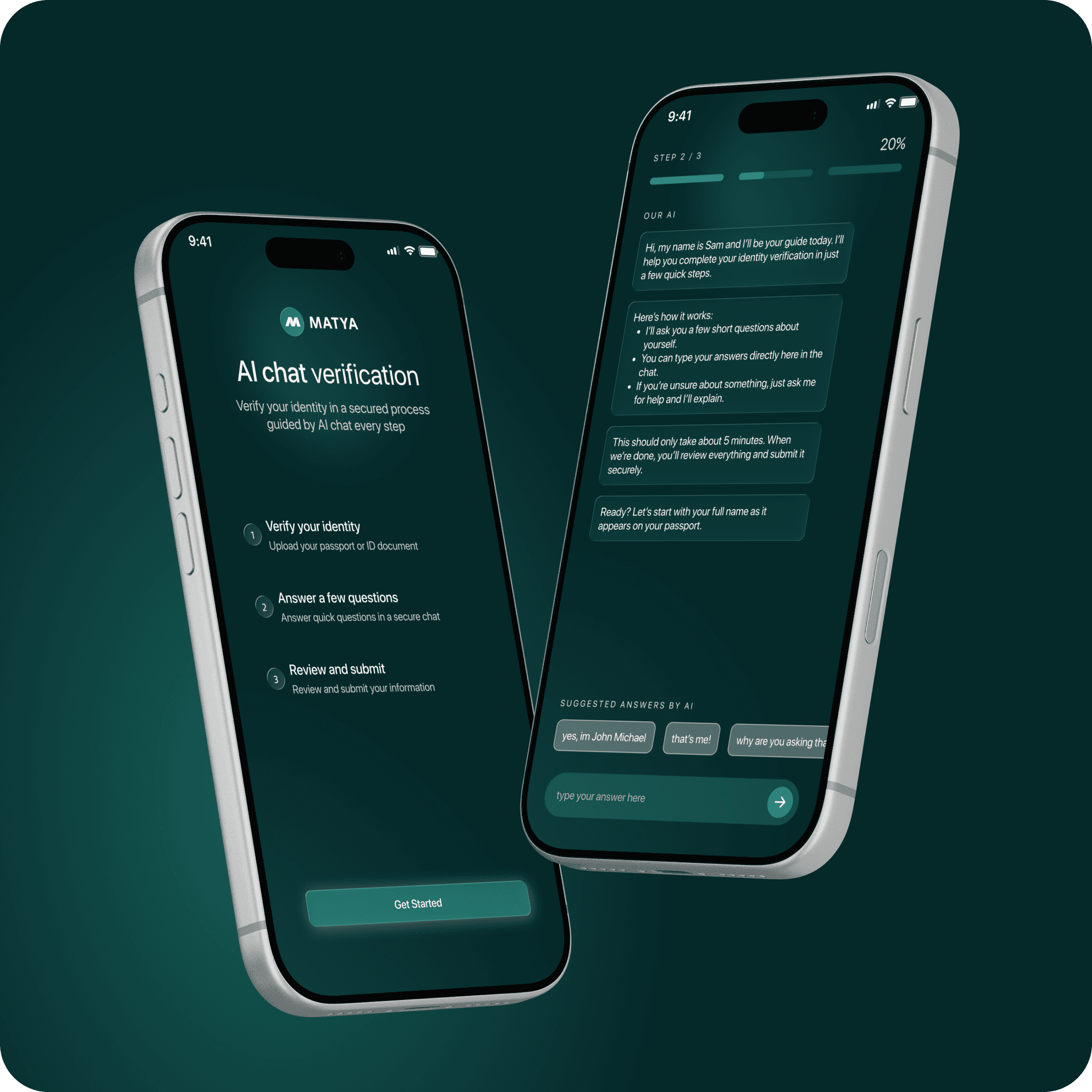
matya
AI Conversational Data Collection